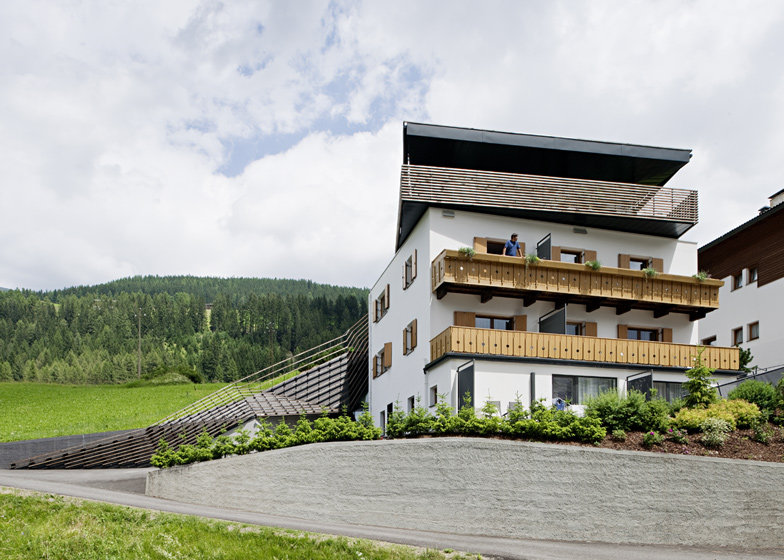

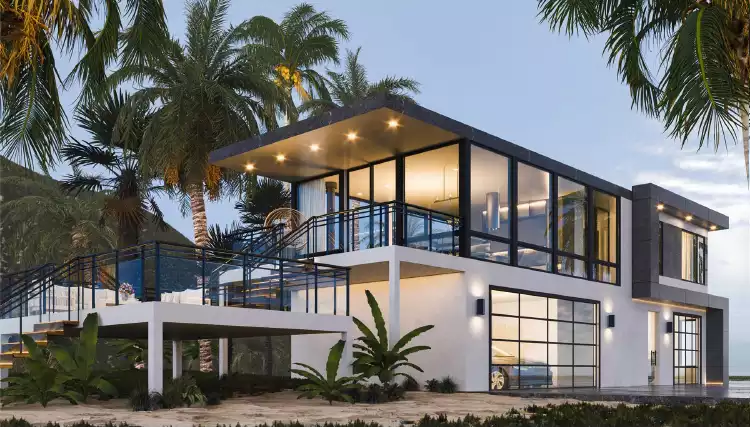
Architecture influences how people live, work, interact, and experience the world around them. Every structure, whether a modest home or a large public complex, carries the imprint of an Architect who blends creativity with technical precision. In today’s expanding built environment, architects take on responsibilities that extend far beyond drawing blueprints. They shape sustainable communities, manage complex planning systems, and integrate evolving technology into long term development strategies. When someone hires an Architect, they are not simply commissioning design work. They are engaging a professional capable of guiding an entire vision from conceptualization to construction.
The profession requires an understanding of aesthetic principles, structural safety, environmental impact, regulatory frameworks, digital modeling tools, and human centered design. This combination of disciplines makes architecture one of the most influential fields in modern development.
Understanding the Architect’s Core Responsibilities
An architect’s role spans multiple stages of planning, design, and project execution. Their expertise helps align conceptual ideas with real world implementation while meeting the needs of clients, communities, and regulatory agencies.
Design Development and Concept Creation
Architects begin each project by analyzing the intended purpose of the structure and interpreting the client’s vision. This early stage involves research, brainstorming, and exploring different design possibilities.
Professionals evaluate factors such as:
- Site conditions including climate, soil composition, slope, and views
- Functional requirements for daily use
- Spatial relationships between rooms and circulation routes
- Style preferences and aesthetic objectives
- Environmental goals and materials selection
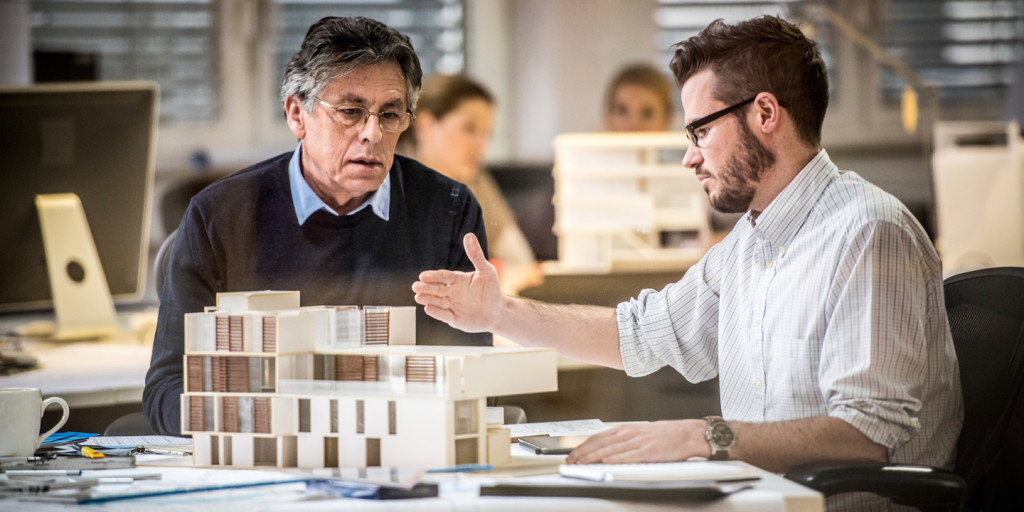
This phase typically results in conceptual sketches, 3D modeling studies, and preliminary visualizations. Architects refine these ideas through multiple iterations, ensuring the final concept aligns with both functionality and long term durability.
Technical Planning and Documentation
Once a concept is approved, architects shift to detailed planning. This stage requires precision, engineering coordination, and adherence to building codes.
Detailed architectural documents include:
- Floor plans, elevations, and cross sections
- Structural detailing in collaboration with engineers
- Mechanical, electrical, and plumbing integration
- Material specifications and performance requirements
- Code compliance verification including fire safety, accessibility, and zoning
These documents guide contractors during construction and serve as legal references throughout the building lifecycle.
Project Coordination and Oversight
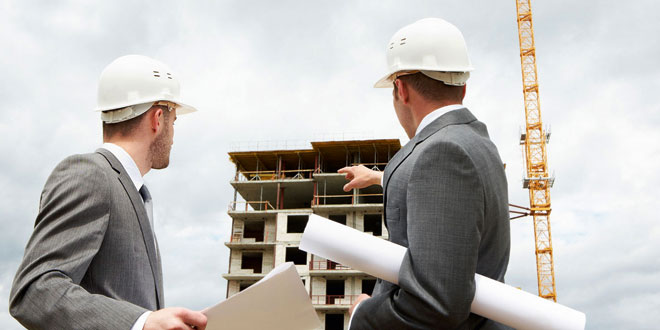
Architects act as central communicators among project stakeholders. They collaborate with engineers, designers, contractors, inspectors, and municipal officials. During construction, they visit the site regularly to verify that the work reflects the design intent.
Typical oversight tasks include:
- Reviewing contractor submittals and shop drawings
- Inspecting progress for alignment with plans
- Troubleshooting unexpected on site challenges
- Adjusting designs when needed to address field conditions
- Communicating changes to clients and project partners
The architect remains involved until the building is complete and fully operational.
The Impact of Architecture on Society
Architecture shapes human behavior, accessibility, cultural identity, and environmental well being. The best designs balance visual appeal with social responsibility.
Enhancing Quality of Life
Well designed spaces improve comfort, safety, and usability. Architects create environments that encourage productivity, community connection, and emotional well being. Thoughtful layouts ensure efficient workflows, practical storage, and comfortable living conditions.
Features that support quality of life include:
- Natural daylighting strategies
- Functional orientation of rooms
- Acoustic control for privacy
- Indoor air quality planning
- Energy conscious systems
Architects consider these factors not as extras but as core components of good design.
Preserving Cultural and Historical Identity
Buildings often reflect the culture and history of a region. Architects who work on restorations, public facilities, or institutional projects must understand local traditions, heritage values, and community expectations.
Architectural preservation involves:
- Maintaining historically significant features
- Blending old and new elements respectfully
- Using materials that match or complement the original structure
- Complying with preservation regulations
- Supporting tourism and community pride
Thoughtful preservation allows future generations to experience and appreciate historical narratives.
Driving Sustainable Development
Environmental responsibility has become one of the most important aspects of modern architecture. Architects reduce a building’s environmental footprint by integrating sustainable materials, energy efficient systems, and responsible site planning.
Effective sustainable strategies include:
- Passive cooling and heating
- Green roofing and rainwater management
- Renewable energy integration
- Low impact materials and sourcing
- High performance insulation and glazing
These methods help meet environmental goals while lowering long term operational costs.
Essential Skills Every Architect Must Develop
Architecture requires more than artistic talent. It demands technical expertise, communication skills, and the ability to manage complex tasks.
Technical Proficiency with Modern Tools
Digital modeling and visualization technologies have revolutionized architectural practice. Architects must understand a variety of digital tools to produce accurate and coordinated documents.
Critical skills include:
- Building Information Modeling for project collaboration
- 3D visualization and rendering
- Digital drafting for precise documentation
- Data driven design simulations for energy and performance analysis
These tools improve accuracy and allow clients to visualize designs before construction begins.
Creative Problem Solving and Critical Thinking
Design challenges often require innovative solutions. Architects evaluate constraints such as site limitations, structural requirements, and budget restrictions to find a balanced result.
Creative problem solving includes:
- Identifying efficient space solutions
- Reducing resource waste
- Achieving client goals within code limitations
- Mitigating environmental impacts
- Responding to community needs
This blend of creativity and practicality distinguishes high quality architectural work.
Communication and Leadership
Architects lead multidisciplinary teams. Strong communication ensures that every stakeholder understands the project direction and expectations.
Key communication abilities include:
- Translating technical concepts into clear client language
- Leading design presentations and meetings
- Coordinating feedback among specialists
- Negotiating adjustments with contractors
- Managing project timelines
Leadership in architecture focuses on clarity, collaboration, and accountability.
Types of Architectural Specializations
The architectural profession includes numerous specialties based on project type, function, or technical focus.
Residential Architecture
Residential architects design homes, multifamily complexes, and custom dwellings. Their work blends functionality with comfort and personal style. They focus on livability, family needs, and long term durability.
Commercial Architecture
Commercial specialists design office buildings, retail spaces, hospitality environments, and mixed use developments. Their projects require careful attention to traffic flow, brand identity, commercial safety requirements, and customer experience.
Industrial Architecture
Industrial architects focus on warehouses, factories, and production facilities. These spaces require efficient workflow layouts, compliance with safety standards, and durable structural systems.
Landscape Architecture
Landscape architects design outdoor environments including parks, plazas, campus landscapes, and recreation spaces. They consider soil health, vegetation, water management, climate, and the ecological context of each project.
Urban Planning and Community Design
Some architects expand their focus to entire neighborhoods or cities. They analyze population trends, transportation networks, zoning regulations, and environmental impacts to create long term development strategies.
How Architects Integrate Technology into Design
Technology is reshaping the architectural profession. Tools that enhance precision, visualization, and collaboration give architects greater capability than ever before.
Virtual and Augmented Reality
Immersive technology allows clients and stakeholders to walk through a design before construction begins. This enhances understanding, improves decision making, and reduces costly revisions.
Smart Building Systems
Architects integrate connected systems that support automation, monitoring, and energy performance. Smart technology improves security, comfort, and operational efficiency.
Parametric Design
Parametric modeling uses algorithms to generate complex forms, optimize structural performance, or test environmental impacts. Architects use these tools to explore innovative shapes and solutions that would be difficult to design manually.
Challenges Architects Face in Modern Practice
Architecture remains a demanding profession with complex responsibilities. Understanding these challenges helps clients appreciate the depth of work involved.
Balancing Aesthetic Vision with Budget
Clients often desire striking visual results, but financial limits require practical adjustments. Architects must balance creativity with cost awareness while maintaining design integrity.
Navigating Regulations and Permits
Building codes grow more complex as safety and sustainability standards evolve. Architects must stay updated on local regulations to ensure compliance at every stage.
Managing Construction Variables
Construction sites rarely unfold exactly as planned. Material delays, unexpected soil conditions, or structural issues may arise. Architects must adapt their designs quickly without sacrificing quality.
FAQs
What is the difference between an architect and a designer?
Architects hold professional licensing that allows them to create structural plans, submit projects for permits, and oversee construction. Designers focus on aesthetic and functional interior concepts but do not produce structural documents.
How early should someone hire an architect for a building project?
Clients should involve an architect as soon as they begin evaluating a site or concept. Early involvement helps prevent costly mistakes, ensures feasibility, and provides clarity for budgeting and planning.
Can an architect help improve energy efficiency in a home?
Yes. Architects design building envelopes, mechanical layouts, window positioning, and insulation strategies that significantly reduce energy use. Many professionals also specialize in environmentally conscious building methods.
Do architects handle the entire construction process?
Architects oversee design intent, documentation, and coordination. They visit the site and manage communication, but contractors handle physical construction. Both roles work together throughout the project.
What should clients bring to the first meeting with an architect?
Clients should bring photos of inspiration, notes about their goals, a list of functional needs, and any relevant property information. This helps set clear expectations and allows the architect to begin early concept planning.
If you’d like, I can develop an expanded outline, create location specific content, or help produce a detailed guide for homeowners or developers.