
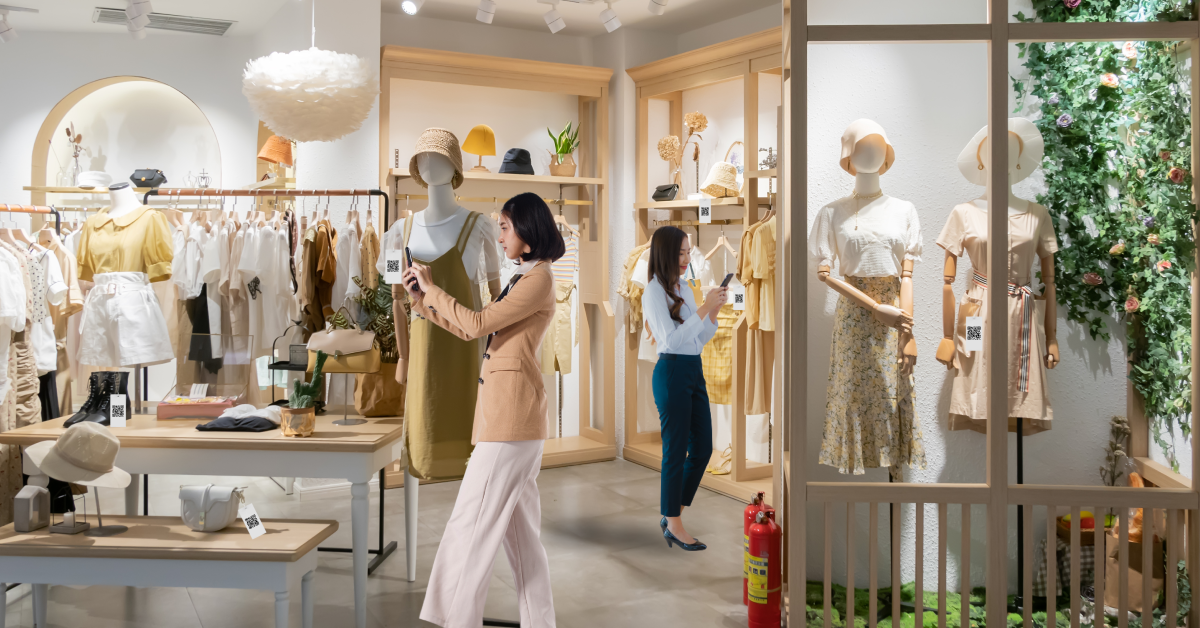
In the fast-paced world of retail, product presentation is a powerful tool for driving customer engagement and boosting sales. Visual merchandising uses carefully planned design, lighting, and color schemes to create an inviting and memorable shopping experience. When done well, this practice can influence how customers interact with products and encourage them to make purchases.
Lighting is essential in visual merchandising, as it can shape the mood of a retail space while also highlighting important products. General ambient lighting ensures the store feels open and welcoming, while task lighting focuses on specific areas such as checkout counters or fitting rooms. Accent lighting, however, plays a key role in guiding customer attention to feature displays or new product launches. Many retailers also use programmable lighting, which allows for timed changes throughout the day to enhance the shopping experience and adapt to different events or promotions.
Glorifier displays are another important feature of retail merchandising. These displays elevate specific products, often through the use of unique lighting or materials that draw immediate attention. Using custom design elements, such as illuminated bases or specialty lighting techniques, glorifier displays help products stand out, making them feel more exclusive and desirable to customers.
Color is also an influential factor in visual merchandising, as different colors can evoke distinct emotions. For instance, warm colors like orange and red are known to create a sense of urgency, which makes them effective for promotional displays or sale items. Meanwhile, cooler tones such as blue and green are often used in stores that focus on wellness or relaxation, as these shades have a calming effect. Strategic use of color not only helps set the tone of the store but can also subtly guide customer behavior.
The layout of the store plays a key role in the customer journey. By organizing product displays in a balanced way and making use of design principles such as contrast and white space, retailers can create a visually appealing and easy-to-navigate space. Incorporating interactive elements, such as product samples or digital touchpoints, adds another layer of engagement, encouraging customers to explore products more closely and boosting their likelihood of making a purchase.
When retailers harness the science of visual perception through thoughtful product displays, they can create captivating environments that encourage customer interaction and drive sales.
If you want more tips on improving your retail display solutions, consult the accompanying resource for additional information.