
In many manufacturing environments, quality control is viewed as a back-end function focused on inspections and compliance. In practice, it has a direct influence on sales performance and long-term profitability. The reliability of a product shapes customer experience, and that experience determines whether business is retained or lost. While production teams focus on meeting specifications and sales teams work to grow accounts, both depend on consistent product quality.
For startups, fabricators, converters, and expanding manufacturers, recognizing this relationship is essential. Quality control is not just a checkpoint. It is a driver of business stability and growth.
The Role of Quality Control in Operations
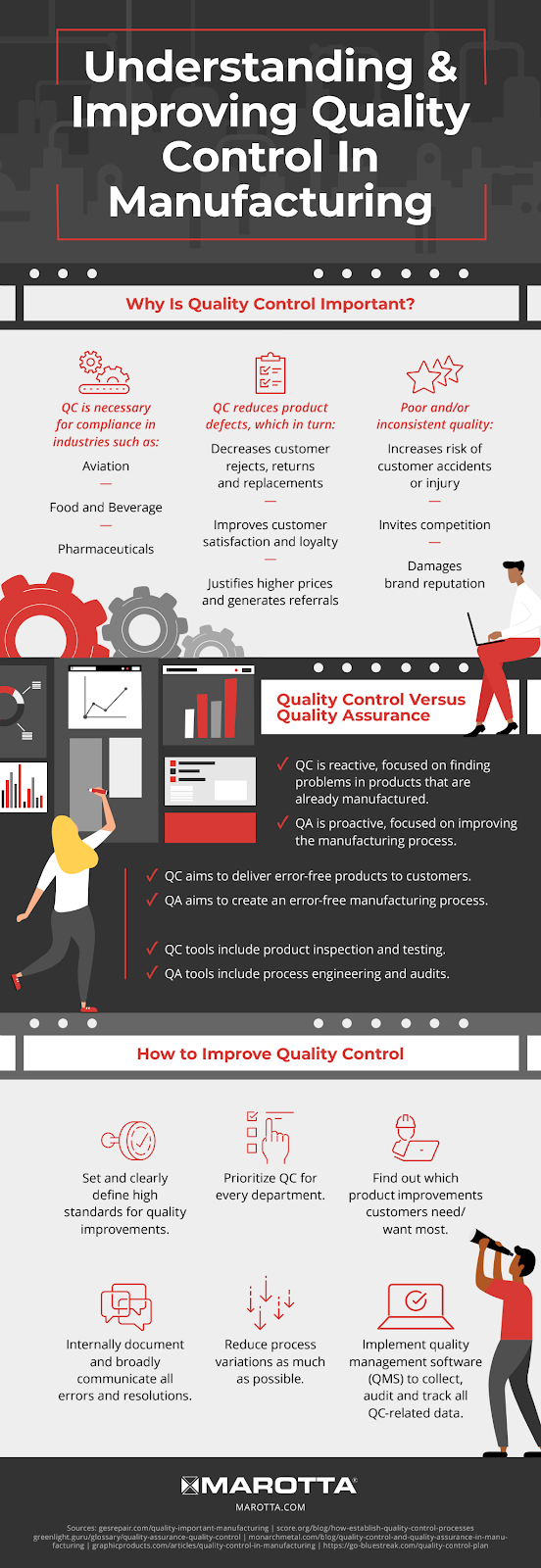
Quality assurance and quality control are often grouped together, but they serve different purposes. Quality assurance focuses on building strong, repeatable processes. Quality control is responsible for verifying that finished products meet required standards before they are delivered. Its goal is to prevent defects from reaching the customer.
Each inspection, test, and measurement supports this objective. When quality control is applied consistently, it creates uniform results. That consistency builds confidence, and confidence supports repeat orders and stronger customer relationships.
The Broader Consequences of Defects
Defects introduce challenges that go beyond the immediate issue. Even small flaws can result in returns, rework, and additional coordination, all of which consume time and resources. These disruptions can weaken efficiency and strain client relationships.
When defects are not caught early, the impact becomes more significant. Products that fail in the field can disrupt operations, lead to financial losses, or create safety concerns. In more serious cases, they can expose a company to legal risk and long-term reputational damage.
Using Quality as a Competitive Edge
Manufacturers known for consistent performance gain a clear advantage in the market. High-quality output strengthens brand credibility, encourages repeat business, and can support higher pricing. It also gives sales teams a stronger position when engaging with new customers.
Quality control should be viewed as more than a safeguard. It is a strategic asset that protects margins, reduces risk, and enhances overall market positioning.
In manufacturing, quality is tightly connected to revenue. It is not separate from sales outcomes. It is one of the core elements that drives them. For more on this, check out the accompanying resource from Marotta Controls, a solenoid valve manufacturer.