
Industry influences nearly every part of contemporary society. It affects how people work, how communities expand, how technology evolves, and how resources move across the global economy. When discussing industry, it is important to view it not as a single sector, but as a network of interconnected systems that support production, logistics, employment, and long term development. In the first stages of analyzing any national or regional economy, industry often serves as a foundation for understanding economic strength, investment potential, and innovation capacity.
Modern industry is also impacted by shifts in consumer behavior, environmental expectations, technological advancements, and workforce demographics. These forces continually reshape how industrial ecosystems operate and what skills future workers must develop. Understanding these dynamics is essential for businesses, policymakers, and communities that depend on strong industrial performance.
How Industry Functions as the Backbone of the Economy
Industry provides the structural framework that supports economic stability and long term growth. It includes manufacturing, energy production, raw materials extraction, infrastructure development, and emerging technology sectors.
The Role of Production in Economic Development
Production capacity directly affects a nation’s competitiveness. Strong industrial output increases exports, strengthens domestic supply chains, and reduces dependency on foreign manufacturing. When production is efficient and diverse, it creates jobs, stimulates investment, and encourages technological research.
Key drivers that influence industrial production include:
- Reliability of raw materials and supply availability
- Stability of energy infrastructure
- Level of technological automation
- Skills and training of the workforce
- Government regulations and incentives
Efficiency at the production level often determines how stable and scalable an industrial economy can become.
Supply Chains as the Circulatory System of Industry
Industrial operations rely on well managed supply chains that connect manufacturers, transport providers, distributors, and retailers. When supply chains function smoothly, industries can meet demand on time, maintain pricing stability, and support global commerce.
Important components of supply chain strength include:
- Forecasting demand accurately
- Coordinating logistics across multiple regions
- Maintaining quality control at every stage
- Reducing bottlenecks in transportation
- Establishing reliable supplier partnerships
Disruptions in supply chains can create large ripple effects across multiple sectors, revealing the importance of resilience planning.
The Structure of Industrial Sectors and Their Interconnected Roles
Today’s industrial ecosystem spans numerous sectors, each contributing unique expertise and resources to the broader economy.
Manufacturing and Production Industries
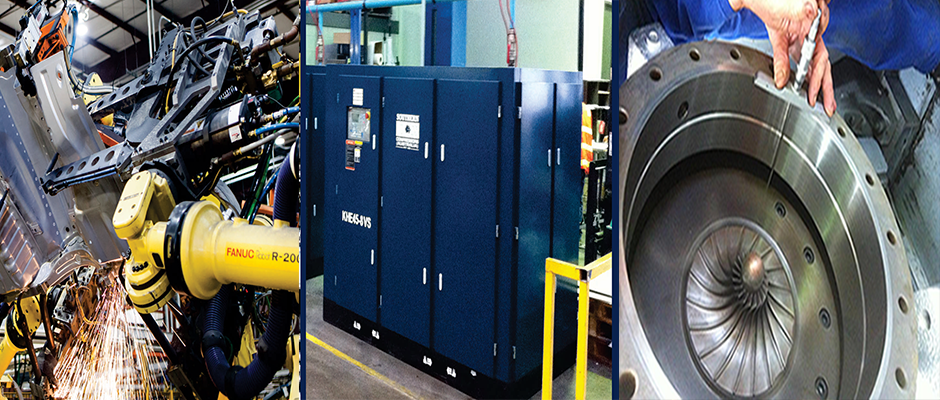
Manufacturing remains one of the most influential sectors. It includes the mass production of consumer goods, automotive components, electronics, and specialized equipment. Modern manufacturing uses advanced robotics, digital monitoring systems, and automated quality control processes to improve precision and speed.
Manufacturing advancements focus on:
- Reducing waste through lean production
- Implementing high accuracy machining technologies
- Improving product consistency
- Increasing energy efficiency in factories
- Adopting flexible production lines for custom orders
These improvements allow manufacturers to stay competitive as global demand evolves.
Energy and Resource Extraction
Energy production and mining industries supply the raw materials that support construction, manufacturing, and transportation. These sectors play a critical role in determining energy prices, industrial output capacity, and environmental sustainability.
The resource industries often address:
- Efficient extraction techniques
- Transition strategies for renewable energy
- Environmental impact reduction
- Regulatory compliance for worker safety
- Resource management for long term planning
Energy stability influences nearly every other industrial sector.
Construction and Infrastructure Development
Construction supports housing markets, businesses, transportation networks, and large scale industrial facilities. Infrastructure development increases regional mobility and strengthens the foundation for economic expansion.
Core elements of infrastructure construction include:
- Roadways, bridges, and transit systems
- Water treatment and distribution networks
- Utility systems such as power grids and communication lines
- Industrial plants and warehouses
- Public buildings and community facilities
These projects create substantial employment opportunities and stimulate investment.
Technology and Innovation Driven Industries
Technology driven industries have become central to economic competitiveness. These sectors include software development, telecommunications, biotechnology, automation systems, and digital engineering.
Innovation focused industries prioritize:
- Data analysis and predictive modeling
- Artificial intelligence integration
- Improvements in cybersecurity
- Digital communication infrastructure
- Development of advanced materials and devices
They also influence how traditional industries upgrade their processes.
Workforce Dynamics and Skill Requirements in Modern Industry
The industrial workforce is evolving, shaped by automation, shifting labor markets, and new economic demands.
The Transition Toward High Skill Labor
Many industrial jobs now require technical training, problem solving ability, and proficiency with digital tools. Industries increasingly look for workers familiar with advanced machinery, computer assisted design tools, and automated control systems.
Important skill categories include:
- Technical engineering knowledge
- Digital literacy and software proficiency
- Maintenance and troubleshooting skills
- Analytical thinking for system optimization
- Safety protocols and compliance knowledge
These skills make the workforce adaptable and capable of managing complex equipment.
The Importance of Training and Workforce Development
Industrial employers often invest heavily in training programs to keep workers current with new technologies. Upskilling initiatives help workers transition from manual roles to supervisory or technical positions.
Workforce development programs typically address:
- On site training for new technologies
- Certification programs in specialized fields
- Apprenticeship pathways for new workers
- Career advancement programs
- Safety training to reduce workplace hazards
These programs help industries maintain strong productivity and employee retention.
Sustainability and the Future of Industrial Operations
Industry must balance high production demands with responsible resource management. Sustainability is now a core measure of industrial success.
Environmental Innovations in Industrial Facilities
Factories and industrial plants adopt environmentally focused technologies that reduce emissions, limit waste, and support cleaner production.
Common sustainability strategies include:
- Recycling industrial byproducts
- Reducing emissions through cleaner processes
- Reusing water in closed loop systems
- Installing more efficient machinery
- Incorporating renewable energy into operations
These practices lower operating costs while supporting environmental goals.
Circular Economy and Resource Efficiency
The circular economy model encourages industries to repurpose materials and minimize waste. Instead of discarding products at the end of their lifespan, companies reprocess materials into new goods.
Circular industrial practices include:
- Designing products that are easier to repair
- Creating materials that can be recycled multiple times
- Restoring used equipment rather than replacing it
- Reducing dependence on raw material extraction
- Developing long lasting goods that require fewer replacements
This approach improves resource conservation and supports long term sustainability.
Industrial Technology and Digital Transformation
Digital transformation increases industrial accuracy, speed, and efficiency. It connects equipment, data, and people in real time.
Automation and Robotics in Industrial Operations
Automated systems handle repetitive tasks, reducing human fatigue and improving overall production quality. Robots also perform hazardous tasks that improve workforce safety.
Automation provides:
- Higher consistency in production lines
- Faster assembly and packaging processes
- Lower error rates in manufacturing
- Safer working conditions
- Improved cost efficiency
The integration of automation creates opportunities for more advanced roles in maintenance and engineering.
Data Analytics and Predictive Maintenance
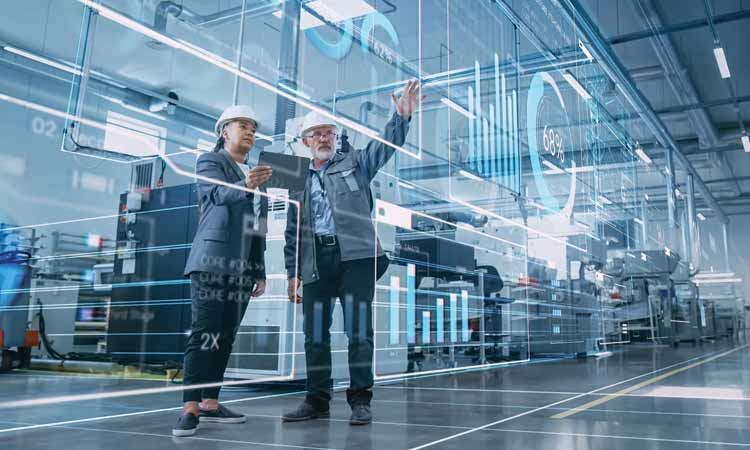
Industrial facilities rely on data to monitor operations. Sensors track equipment performance, energy usage, temperature levels, and mechanical stress.
Predictive maintenance helps:
- Detect equipment failures before they occur
- Reduce downtime and repair costs
- Improve overall operational efficiency
- Extend the lifespan of machines
- Enhance safety through early detection of issues
This data driven approach keeps operations stable and reliable.
Challenges Facing Modern Industry
Although industry continues to advance, it encounters challenges that require strategic planning and adaptation.
Rising Operational Costs
Energy costs, material prices, and transportation expenses influence profitability. Industries must adopt efficient methods to remain competitive.
Talent Shortages in Technical Fields
Skilled labor shortages affect manufacturing, logistics, and engineering roles. Training and education pipelines must expand to meet future demand.
Regulatory Compliance Requirements
Environmental and safety regulations continue to evolve. Industries must invest in compliance programs to avoid penalties and maintain safe operations.
Global Competition
Companies must innovate continuously to maintain market share in a rapidly shifting global landscape.
FAQs
How does industry impact everyday life?
Industry affects everything from the availability of household goods to transportation systems, job opportunities, and energy access. It is connected to nearly every part of daily living.
Why is sustainability important in industrial development?
Sustainability reduces long term costs, protects resources, and ensures industrial expansion does not harm the environment or future generations.
What sectors are expected to grow the fastest in the coming years?
Growth is expected in automation, renewable energy, advanced manufacturing, biotechnology, and digital infrastructure.
How do industries prepare for technological change?
Industries invest in equipment upgrades, employee training, digital tools, and research initiatives to stay ahead of technological advancements.
What role do local communities play in industrial success?
Communities provide workforce talent, land resources, and regional support for transportation and infrastructure. Strong community relationships help ensure stable operations.
If you’d like, I can also create industry specific content such as manufacturing deep dives, energy sector guides, or region focused industrial analyses.