

As hybrid work models become the new norm across the United States, businesses are rapidly adapting to new workflows, management styles, and performance metrics. Traditional ways of evaluating productivity are being challenged, especially when it comes to measuring success. One of the most critical shifts in this evolving landscape is understanding the difference between outcome vs output—and why this distinction is more relevant than ever in hybrid workplaces.
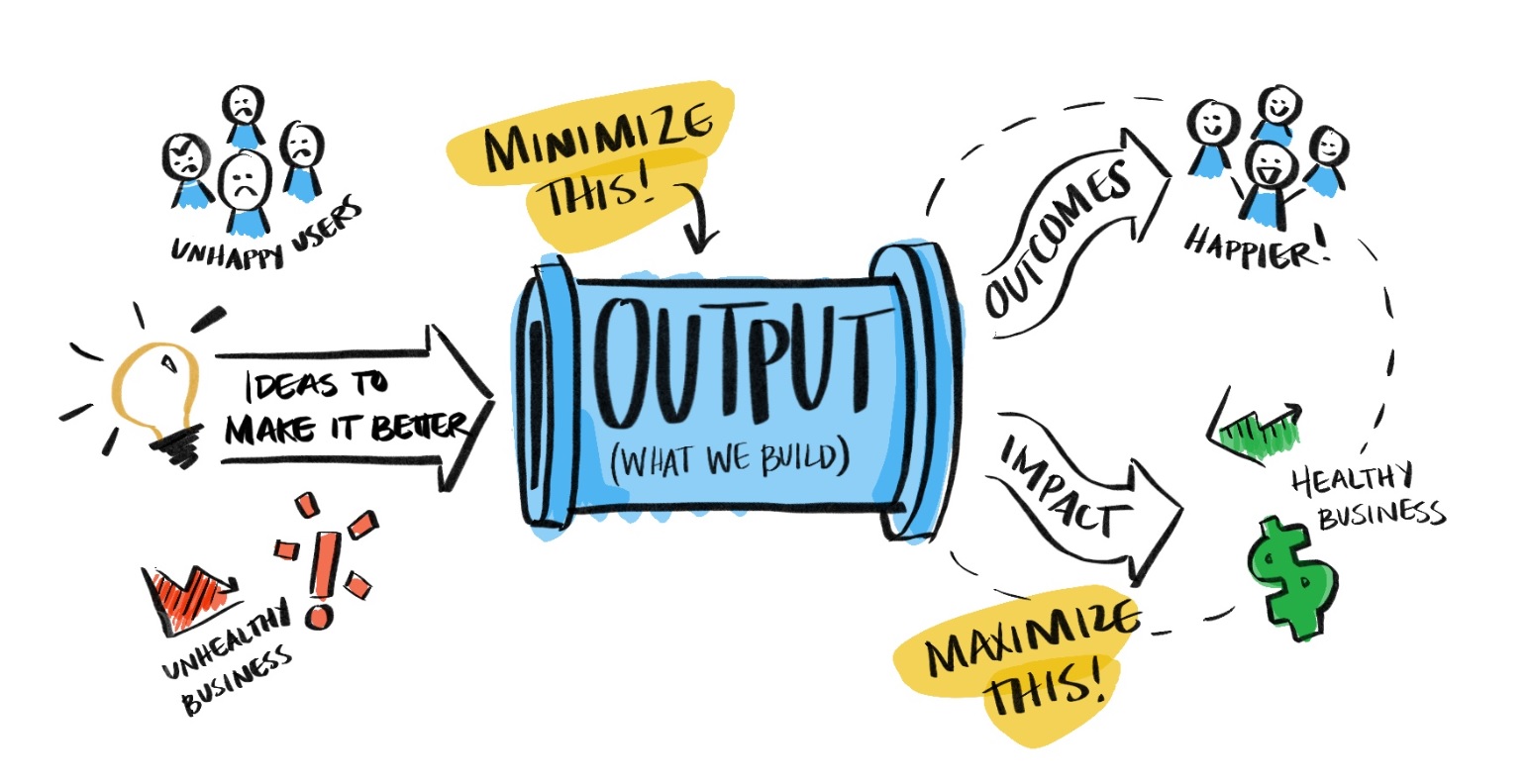
In a conventional office setting, visibility and time spent on tasks often served as default measures of performance. Managers could easily observe employees, equating long hours and task completion with productivity. However, in a hybrid setup, these markers are no longer reliable. The true value lies in understanding outcome vs output: outputs are the tasks completed, while outcomes are the meaningful results those tasks generate. This nuanced distinction is driving smarter performance evaluation in today’s distributed teams.
Hybrid workforces demand greater autonomy and flexibility, but this freedom also comes with the need for accountability. Managers can no longer rely on simple checklists to assess an employee’s contribution. Instead, they must focus on whether the completed work has moved the needle—has it increased customer satisfaction, driven revenue, improved operational efficiency, or solved a business problem? Emphasizing outcomes over outputs ensures that teams stay aligned with broader organizational goals, even when working from different locations.
Focusing on outcomes helps eliminate busywork. It encourages teams to question whether their efforts truly matter in the larger context. For example, a marketing team might churn out dozens of social media posts (outputs), but if these posts fail to drive engagement or sales (outcomes), the effort has limited value. Conversely, a single campaign that generates leads and boosts conversions delivers a measurable impact. This kind of thinking drives purpose-led work across hybrid teams and helps align everyone with shared goals.
From a leadership perspective, prioritizing outcomes also builds trust. Employees in hybrid environments often operate with less oversight, so leaders who emphasize goals over micromanagement foster a sense of ownership and empowerment. When individuals are trusted to deliver meaningful results rather than simply ticking off tasks, morale and motivation rise. It’s a powerful mindset shift that supports long-term performance and workplace satisfaction.
Another key advantage of embracing an outcome-driven culture is improved clarity in goal-setting. Frameworks like OKRs (Objectives and Key Results) are particularly effective in hybrid models because they link day-to-day activities with long-term objectives. Rather than assigning a list of outputs to complete, teams set objectives (the desired outcomes) and define key results that act as milestones. This structured approach ensures that work remains purposeful and aligned with strategic priorities.
Additionally, hybrid work often leads to asynchronous communication, where team members work across different time zones or schedules. In such cases, an output-focused approach can create inefficiencies and confusion. When everyone is clear on the desired outcomes, however, it becomes easier to prioritize, delegate, and stay productive—even with limited real-time interaction.
Shifting from output-based thinking to outcome-driven strategy also supports better performance reviews. Traditional reviews often emphasize how much an employee has done, not what impact they’ve made. But measuring contributions through outcomes offers a more meaningful and fair assessment. It highlights innovation, initiative, and the ability to generate value—traits that are crucial for business success in hybrid settings.
Ultimately, understanding and applying the principle of outcome vs output in hybrid workplaces leads to stronger team alignment, higher engagement, and greater overall effectiveness. It transforms how organizations approach performance, productivity, and progress in a decentralized environment.
In conclusion, the growing prevalence of hybrid work has made the outcome vs output debate more than just a management buzzword—it’s now a strategic imperative. Organizations that shift focus toward outcomes can navigate hybrid challenges with greater clarity and resilience. This transition fosters a performance culture rooted in value creation, not just task completion, setting businesses up for sustainable success in the modern workplace.